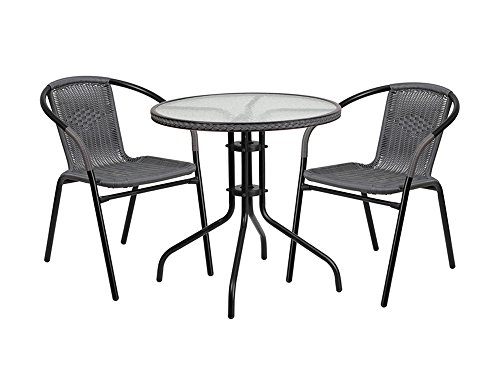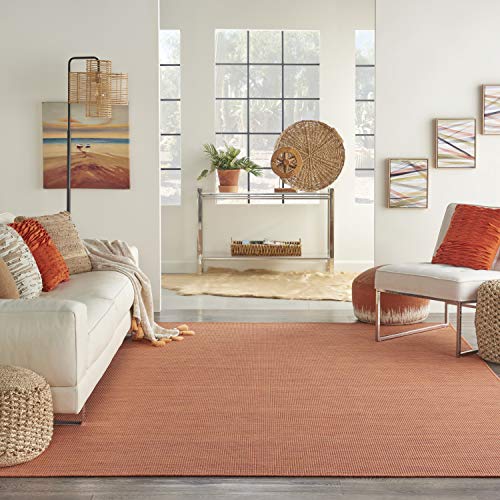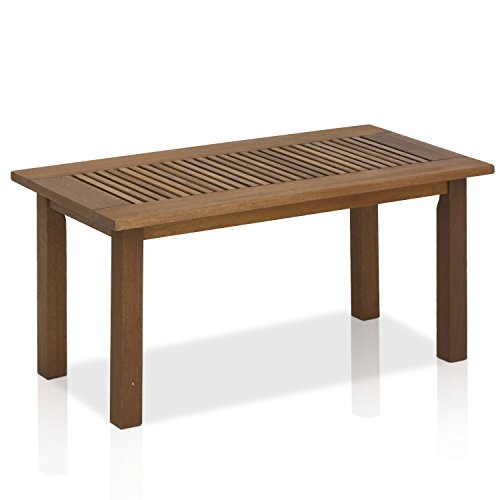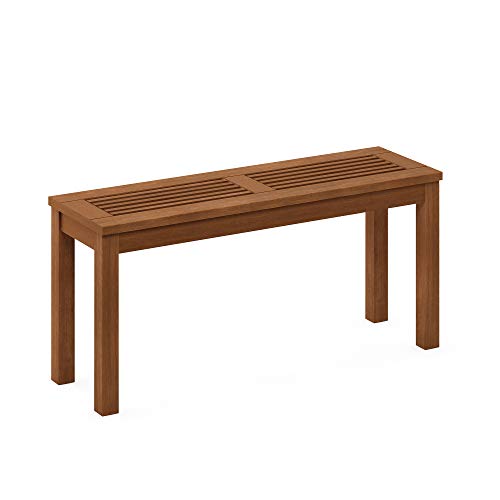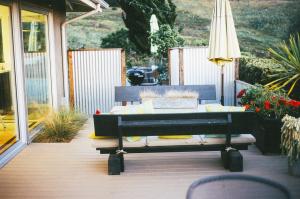
Outdoor furniture can take a beating from the elements. Rain, sun, wind, and snow can all cause serious damage, making your beautiful patio set look worn out before its time. Protecting your furniture isn’t just about keeping it looking good; it also saves you money in the long run. Here are some simple tips to help you shield your outdoor pieces.
First up, invest in quality furniture covers. These aren’t just for show—they’re like a cozy blanket for your furniture. Look for waterproof and UV-resistant materials. That way, when a storm rolls in, your chairs and tables stay dry and safe. Plus, you want covers that allow for ventilation to prevent mold and mildew. Check the fit and make sure they stay in place, even on windy days.
Another great way to protect your furniture is to store it away during harsh weather. If a big storm is coming or it's winter, consider moving your furniture into a shed or garage. Even rolling a few items inside can really extend their lifespan. If storage isn’t an option, try moving the furniture to a covered area like a porch or patio. Just getting it out of direct exposure can make a huge difference.
Don't forget about regular maintenance. A quick clean and check every now and then can go a long way. For wooden pieces, use sealants or stains to help repel moisture. Metal furniture might need a little rust protection, while cushions should be stored indoors or in a dry area when not in use. A little effort can keep your outdoor oasis looking great season after season.
Essential Care Tips for Outdoor Pieces
Taking care of your outdoor furniture doesn’t have to be a hassle. With just a few simple steps, you can keep your pieces looking great and lasting for years. Here are some essential care tips to help you out.
First off, give your furniture a good wash every once in a while. Dirt and grime can build up, especially after a storm or windy day. A gentle soap and water solution will do wonders. Use a soft cloth or sponge to avoid scratching surfaces. Rinse well and let it dry completely to prevent mold.
Finally, do regular checks. Look for any signs of wear and tear so you can address them before they become big problems. A little attention goes a long way in ensuring your outdoor furniture stays safe and sound!
Choose the Right Covers for Your Furniture
When it comes to protecting your outdoor furniture, choosing the right covers is a game changer. You want covers that fit well and keep your pieces safe from rain, snow, and UV rays. A snug fit prevents water from pooling and messing up your furniture.
Look for waterproof materials that breathe. This helps keep moisture out while allowing any trapped air to escape, so mold and mildew don’t stand a chance. Many covers are designed with vents or a mesh lining to promote airflow, which is super helpful.
Make sure to check the size. It might seem like a small detail, but getting the right dimensions is really important. Measure your furniture before shopping. Covers that are too big can flap around in the wind and potentially cause damage.
Lastly, consider how easy it is to put on and take off the covers. Some come with straps or ties, which can be a huge help in windy conditions. If they’re a hassle to manage, you might not bother using them, and then what's the point, right?
Storing Tips for Off-Season Protection
Storing your outdoor furniture properly during the off-season is key to keeping it in great shape. A little care now goes a long way when you bring it back out in the spring. Here are some simple tips to help you protect your outdoor treasures.
First, give everything a good clean. Dirt and grime can eat away at the finishes, so wipe things down. Use soap and water for most materials, but check specific cleaning recommendations for your furniture type. After cleaning, let it dry completely before storing.
Next, choose a safe storage spot. If you can, keep your furniture indoors, like in a garage or shed. If indoor storage isn’t an option, cover your furniture with water-resistant covers. This will keep moisture, dirt, and even pesky critters at bay. Look for covers that fit snugly to prevent wind from blowing them away.
For any cushions or fabric pieces, store them indoors if possible. Damp, chilly environments can lead to mold and mildew. If you have to leave them outside, seal them in storage bins or bags to keep them protected.
Lastly, try to lift furniture off the ground if it’s going to be outside. Placing blocks or pallets underneath can help with air circulation and prevent water damage. Small steps like these can really help your outdoor furniture last longer.